
The Allure of Gambling: Understanding Motivation
The psychology behind casino gambling is a complex interplay of factors that drives individuals to engage in this activity. One of the primary motivators is the desire for excitement and escapism. Many gamblers seek a break from the mundane aspects of everyday life, and the casino environment provides a vibrant, stimulating atmosphere filled with bright lights, sounds, and the potential for big rewards. For those looking to dive into this experience, rocket casino login can lead to thrilling gameplay that enhances their enjoyment. This thrill can create a powerful urge to participate, as the excitement of potentially winning can overshadow rational thought. The very essence of a casino is designed to heighten these feelings, where the environment itself stimulates a sense of adventure and possibility.
This escapism extends beyond mere excitement; it also serves as a coping mechanism. Individuals may turn to gambling as a way to manage stress or anxiety, using it as a distraction from life’s pressures. The thrill of playing—whether at a slot machine or a poker table—can temporarily alleviate feelings of discomfort. In this regard, gambling becomes a means of seeking solace, though it often leads to a paradox where initial relief can transform into deeper issues such as addiction or financial hardship. The temporary highs derived from gambling can obscure the long-term consequences, creating a cycle that is difficult to break.
Furthermore, the potential for financial gain is a significant driving force. While most gamblers understand that the odds are generally against them, the thought of hitting a jackpot or winning large sums of money can create a compelling desire to keep playing. This hope is often reinforced by stories of past winners, both real and exaggerated, contributing to a culture where the possibility of sudden wealth can feel tantalizingly close. This mix of excitement, escapism, and financial aspiration fuels the ongoing draw of casino gambling, creating an environment where rational decision-making is frequently overshadowed by emotional impulses.
The Role of Cognitive Biases in Gambling Behavior
Cognitive biases play a pivotal role in shaping how individuals perceive and engage with gambling. The “gamblers’ fallacy,” for example, is a common cognitive error where players believe that past outcomes influence future results. A player might think that a slot machine has “paid its dues” after a series of losses, hence believing that a win is imminent. This fallacy can lead to a cycle of continued play, as individuals cling to the hope that they are “due” for a win, reinforcing their behavior and increasing the risk of losses. This distorted thinking can trap players in a loop, where they continue to gamble in the hopes of an eventual turnaround.
Another significant cognitive bias is the illusion of control, where gamblers believe they can influence the outcome of random games. This is particularly common in skill-based games like poker or blackjack, where players feel their decisions can impact results. This belief can lead to overconfidence, resulting in riskier behavior and substantial losses. The feeling of control, albeit misplaced, can enhance a gambler’s engagement with the game, making it challenging to recognize the inherent risks involved. Such cognitive distortions not only increase the likelihood of losses but also contribute to a lack of self-awareness regarding gambling habits.

Lastly, the concept of near-misses plays a crucial role in gambling psychology. When players experience situations where they almost win—such as two matching symbols on a slot machine with one more needed to hit the jackpot—they may interpret these near-misses as encouragement to continue gambling. This phenomenon can create a cycle of repeated play, as the positive reinforcement of nearly winning can push players to wager additional money in hopes of achieving their elusive goal. Ultimately, these cognitive biases contribute to the persistent nature of gambling behavior, often leading individuals down a path they might not have initially intended to take, with the potential for long-lasting consequences.
The Emotional Rollercoaster of Winning and Losing
The emotional experiences associated with gambling are both intense and varied. Winning generates feelings of elation, excitement, and empowerment, which can significantly boost a gambler’s mood. This euphoric response is linked to the release of dopamine in the brain, a neurotransmitter associated with pleasure and reward. For many gamblers, this high is exhilarating and can lead to a desire to chase further wins, reinforcing their connection to gambling. This emotional high can be addictive, creating a strong incentive to return to the casino in search of that next win.
Conversely, the experience of losing can evoke a wide range of emotions, including frustration, despair, and regret. These feelings can instigate a dangerous cycle where individuals chase their losses, often leading to further losses in an attempt to regain control and recapture earlier winnings. This emotional volatility can create a rollercoaster effect, where the highs of winning momentarily mask the lows of losing, causing players to become trapped in a continuous loop of gambling. The disparity between the excitement of winning and the disappointment of losing can further entrench individuals in their gambling behaviors.
Moreover, the influence of social dynamics cannot be overlooked. Many gamblers enjoy games that involve interaction with others, such as poker or roulette. The social aspect of gambling can amplify both the highs and lows experienced within a casino. Celebrating a win with friends can enhance the joy of victory, while losing in front of peers may intensify feelings of disappointment. Thus, the emotional landscape of gambling is significantly shaped by both individual experiences and social contexts, making it a multifaceted psychological phenomenon that can influence a person’s gambling habits.
The Impact of Environment on Gambling Psychology
The environment of a casino plays a crucial role in influencing gambling behavior and psychology. The design of a casino is specifically crafted to evoke feelings of excitement, urgency, and curiosity. With no windows and clocks, gamblers can easily lose track of time, immersing themselves in the experience without the constraints of the outside world. This intentional design creates an environment where individuals feel encouraged to play longer and more frequently, often leading to increased spending. The very layout of a casino is a strategic effort to keep players engaged, encouraging them to remain within the premises for as long as possible.
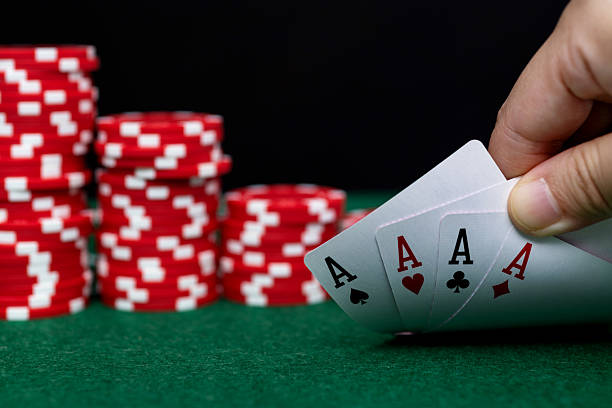
Moreover, sensory stimuli such as sounds, lights, and scents are meticulously orchestrated to enhance the gambling experience. The sounds of coins dropping, cheers from nearby tables, and festive music contribute to an electrifying atmosphere that can nudge gamblers into a heightened state of excitement. These sensory cues can create an addictive experience, as the brain begins to associate these stimuli with the possibility of winning, further entrenching gamblers in the cycle of play. The sensory overload is designed to captivate players, making it easy to lose track of time and money while immersed in the thrill of the moment.
The social environment is another vital component of the casino experience. The camaraderie developed at games can create shared excitement and tension, prompting individuals to gamble more than they might initially intend. Witnessing others win can invoke feelings of competitiveness and FOMO (fear of missing out), encouraging players to place additional bets or try new games. Thus, the casino environment is designed not just to facilitate gambling but to actively shape the psychological experiences of its patrons, encouraging prolonged engagement and fostering a powerful connection to the activity. This social dimension adds another layer to the psychological impact of gambling, making it a communal rather than just an individual experience.
The Future of Gambling: Understanding Trends and Implications
The evolution of gambling has introduced new trends, particularly with the rise of online gambling and mobile applications. These developments have shifted traditional paradigms, allowing individuals to engage in gambling from the comfort of their homes or on-the-go. The convenience and accessibility of online platforms can significantly alter gambling behaviors, often leading to an increase in impulsive gambling due to the ease of access. This raises important considerations about the psychological impacts of gambling in a digital age, where the barriers to entry have never been lower.
As technology continues to advance, the integration of virtual and augmented reality into gaming experiences may further transform the way individuals gamble. By providing immersive environments that simulate the thrill of a casino, these technologies may enhance emotional engagement while creating new pathways for addiction. Understanding the psychological implications of these innovations will be crucial for addressing potential risks and developing responsible gambling practices as the industry evolves. The future of gambling will likely involve a deeper understanding of psychological triggers and the development of strategies to mitigate harmful behaviors.
Moreover, the conversation surrounding gambling addiction is gaining more visibility, prompting discussions about mental health, responsible gaming, and preventative measures. With increased awareness, there is a growing emphasis on creating supportive resources for individuals struggling with gambling-related issues. Ultimately, the future of gambling must consider not only its economic implications but also its profound psychological impact on individuals and communities. As society progresses, finding a balance between enjoyment and responsible gambling will be essential in shaping a healthier relationship with this popular pastime.